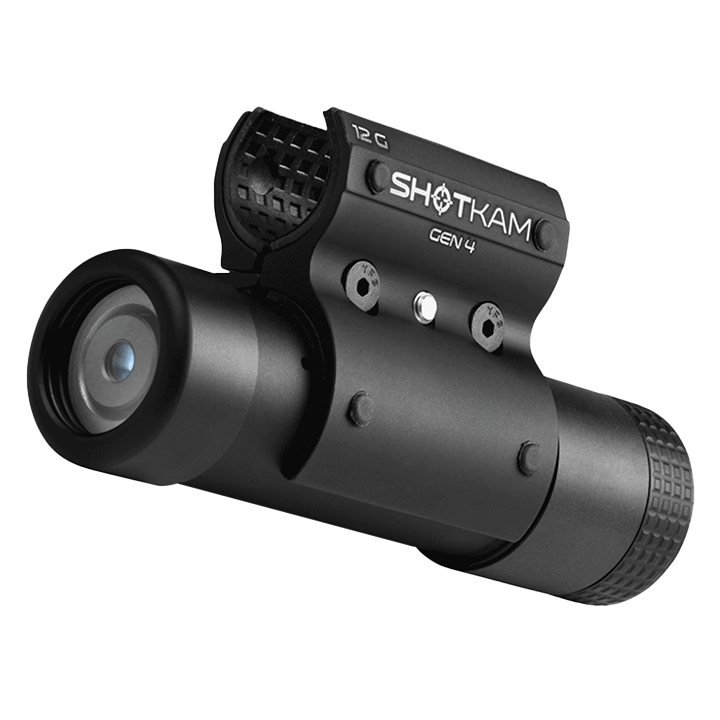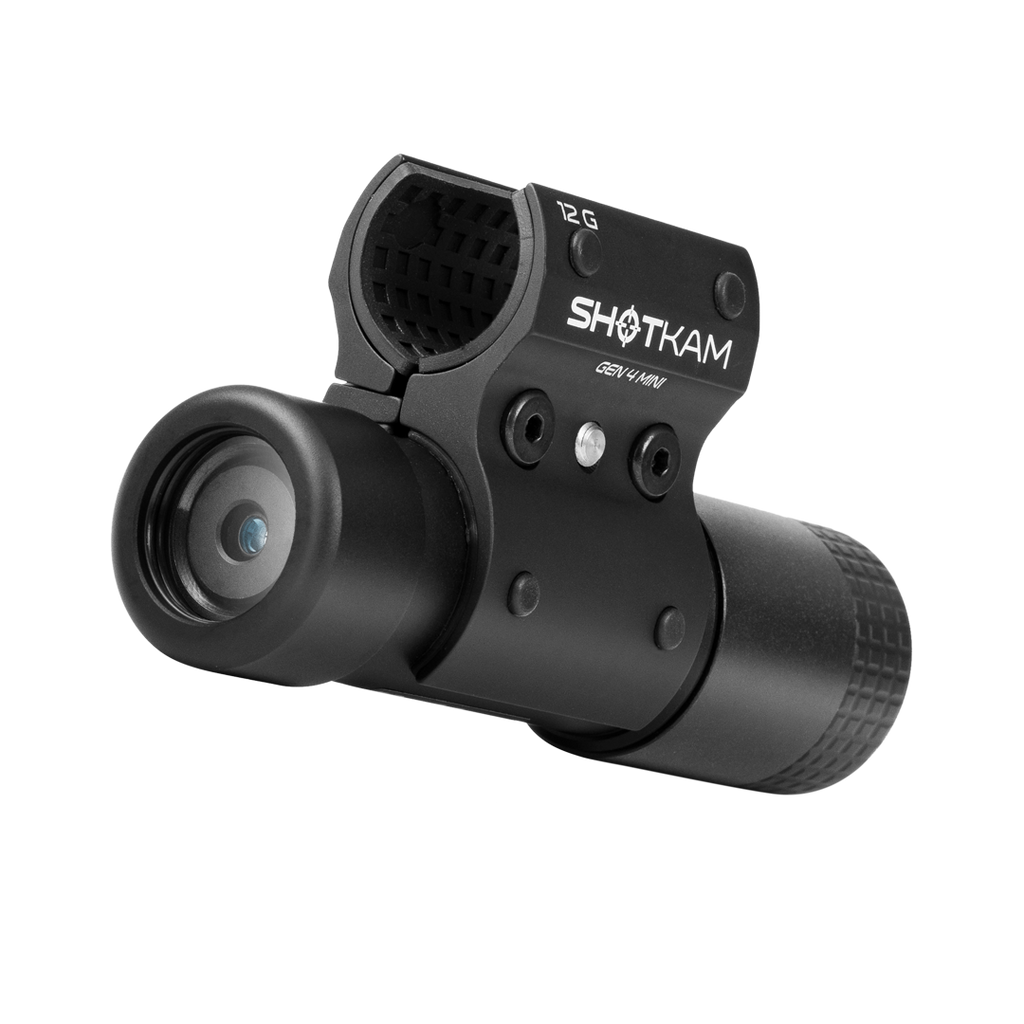

Dove Hunting Q&A with David Stewart, ShotKam Founder
We sat down with David Stewart, founder of ShotKam and an experienced wingshooter of more than 40 years, to ask him for his best dove hunting tips. From choosing the right choke and ammo to analyzing your ShotKam videos, we’re sharing the full Q&A below.
What makes dove hunting such a challenge?
David: Doves move quickly and can change direction in an instant, so it requires a lot of awareness and focus. You need to intensely focus on the bird so your eyes can read its speed and distance, while also being aware of the hunters and dogs around you. You’ll find yourself mentally exhausted after a dove hunt!
What are the biggest mistakes hunters make when shooting at doves?
David: Shooting at birds that are out of range is probably the biggest mistake. It’s important to know what 40 yards looks like and try to limit yourself to birds within that distance.

If you keep shooting at birds beyond your range, you're likely to waste a lot of ammunition and, more importantly, risk wounding a bird rather than making a clean kill. Leave the distant birds alone. They may circle back, or they may fly toward another hunter who has a better shot.
How can a ShotKam improve your kill percentage?
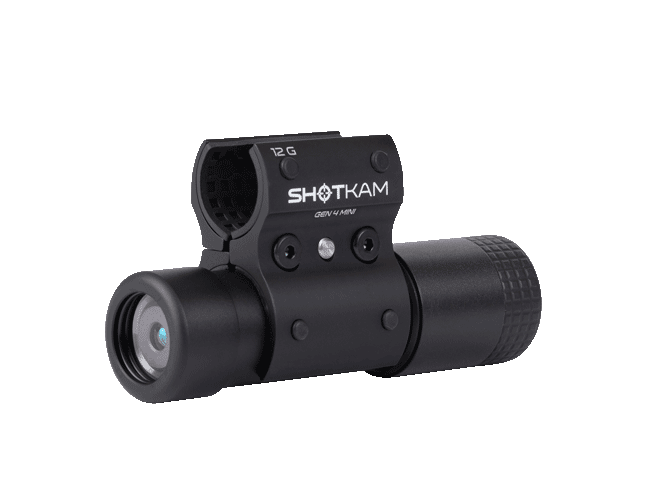
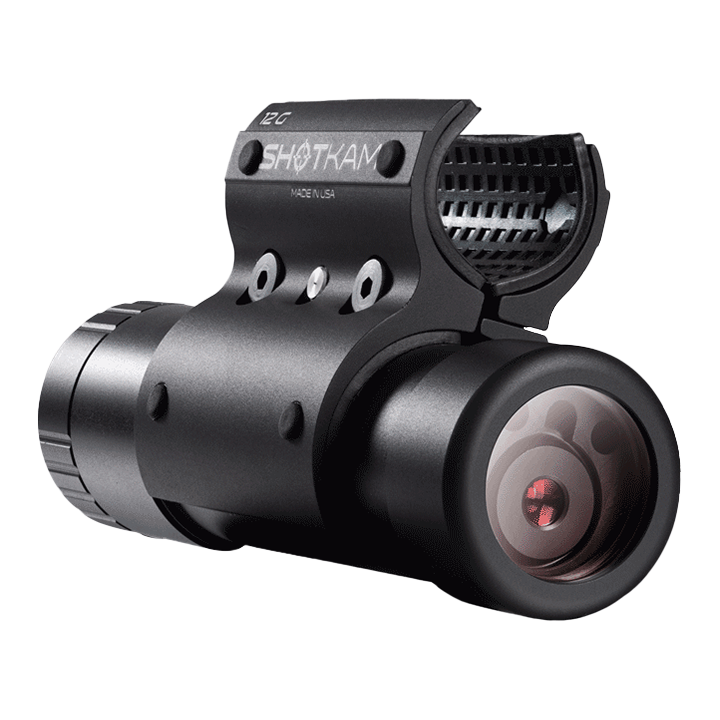
David: When you watch your ShotKam videos back, you’ll notice when you're shooting at birds that are too far out of range, whether the bird changed direction, and what your gun was doing before the shot.
For dove hunting, I find that more of a swing-through method works better than sustained lead. Your hold point is also extremely important. As your eyes pick up and start reading the dove, the gun should naturally follow while you stay soft-mounted. Then, when you hard-mount, it should be one smooth movement into your cheek without dipping the gun or pulling away.
When reviewing your ShotKam videos, slow down the 10–15 frames before you pull the trigger. If you see the lead diminishing, you were probably trying to measure the distance between the barrel and the bird instead of keeping your eyes focused on the bird.
Stay focused on the dove, smoothly mount, and shoot. Don't keep the gun in your face for more than a second or you'll start trying to calculate the lead. Try to see the feathers on the bird and let your eyes read any changes in its movement.
If you miss, double the lead next time. If that's too much, cut it in half on the next shot. Then review your ShotKam videos to build a good sight picture of what a kill shot should look like.

Is video analysis mainly for beginners, or can experienced wingshooters benefit too?
David: If you're getting one dove for every two shots, you're a very good shot. But that still means you're missing about 50% of the time.
Sometimes the difference between a good shot and a bad shot is something very small: a poor hold point, a rushed mount, the wrong line, or simply taking a shot that wasn't really on. The more experienced you become, the more useful it can be to look for those small details.
Can reviewing kill shots be just as useful as reviewing misses?
David: Absolutely. You're reinforcing good technique.
For example, sometimes you'll be shooting at one bird with another bird a few feet behind it. You might think you've hit the bird in front, but when you review the ShotKam video, you realize you actually hit the bird behind it. It was technically a successful shot, but it wasn't what you intended.
You want to make sure your successful shots are the result of good technique rather than luck.

What's your favorite type of dove shot?
David: My favorite shot is probably shooting a bird that someone else has missed. Doves coming in to feed are also a lot of fun. You can have several birds coming in at once, moving side to side and up and down.
A lot of the time, somebody has already shot at them by the time they reach you, so now you're shooting at birds that are flying away or changing direction. It’s very exciting.
What choke, ammo, and gun setup do you recommend for dove hunting?
David: I would recommend a modified choke because you’ll have a good pattern out to around 40 yards. If the bird is at close range, that choke can be too dense and you’ll get a lot of pellets in the meat, but as a general rule, I think it’s the best option.
For ammunition, I'd recommend one ounce of No. 8 shot. Doves are small birds, so you don't need a lot of penetration from heavier shot. You don't have to go particularly fast either. Around 1,200 fps can be perfectly adequate with the right load.
I personally use a 12-gauge semi-auto because it allows me three shots, and the 12 gauge gives me the best chance at a clean kill. For women and youth shooters who want something a little lighter, I’d recommend a 20-gauge semi-auto. If you’re a very experienced shot and want an added challenge, move into the smaller subgauges.

What gear do you consider essential for a successful dove hunt?
David: Comfort is important. If you can position yourself in the shade, I think that's actually more important than the camouflage you're wearing.
Try to keep your whole body in the shade if you can. If you can't, be conscious of your movement. Don't lift your head too early. Keep the brim of your hat down until the bird is within range because doves can pick up on faces and movement.
What gear do experienced dove hunters carry that beginners often overlook?
David: A good seat.
It sounds trivial, but you can be sitting in a dove field for hours. Ideally, you want something that lets you turn easily. Some camping chairs can restrict your movement, so something that swivels is better. A lot of people use a five-gallon bucket, and some even have rotating lids.
You want to be comfortable, but you also want freedom of movement.
What's the most memorable dove hunt you've ever been on?
David: I went to Argentina once, and shooting several hundred birds in a day was incredibly exciting.
With that said, dove hunting is also very much a family event for me. I’ve loved hunts in North Carolina where we roast a big pork butt and stop for a big lunch. Those hunts are just as memorable in a different way.
Here’s a compilation of some of my dove hunting in Argentina:
What's the worst habit you've seen repeatedly on a dove field?
David: Shooting at low birds. You always need to be certain of your background and make sure there is clear space around the bird you're shooting at.
Even if everyone is spread out enough that a low shot is unlikely to cause an accident, it's still inappropriate and unsafe.
If you could give a new dove hunter just three shooting tips, what would they be?
David: First, be very aware of everyone around you and the dogs in the field.
Second, stay very focused on the bird. If it helps, focus on the eye or the head of the bird.
Third, shoot birds within range. You're just going to waste ammunition shooting at birds that are too far away, and nobody wants to injure a bird.
What's one piece of dove-hunting advice you wish you had learned earlier?
David: Have the confidence to speak up about safety. When I was a younger dove hunter, if I saw something that wasn't safe, I was probably more reserved about calling it out. Now, I think it's very important that everyone agrees on how they're going to safely conduct the hunt.
Dove hunting is exciting, and there's a lot happening. Someone might finish shooting and forget to unload their gun, or they might sit down with a gun pointed toward somebody else without realizing it. If someone doesn't feel safe, it can ruin the entire hunt for them.
Make sure it's a safe environment, and don't be afraid to speak up.
What separates someone who occasionally hits doves from someone who shoots them consistently?
David: Practice. People who are good at sporting clays are typically good at shooting doves because they've developed the fundamentals. Before dove season, go and shoot some skeet or sporting clays.
If you're consistently hitting 70 or 80% of your clay targets, that doesn't mean you'll hit 70 or 80% of doves. You might hit half of them because live birds are much less predictable and can change direction unexpectedly.
But practicing those fundamentals before you get into the field makes a big difference.

Conclusion
Whether you’re new to dove hunting or have years of experience, there’s always something you can learn from reviewing your shots. A poor hold point, a rushed mount, taking a bird that’s out of range, or simply looking away from the bird at the wrong moment can make the difference between a hit and a miss.
ShotKam lets you see what happened so you can learn from both your misses and your successful shots, build a better sight picture, and become a more consistent wingshooter.
You are reading:
Dove Hunting Q&A with David Stewart, ShotKam Founder
More Articles You Might Like

Get ready for the hunting season
With hunting season just around the corner, now is the perfect time to pull your gear out of storage and make sure everything is ready be...

ShotKam Guide for Clay Shooting
Whether you're shooting sporting clays, skeet, or trap, ShotKam is a great training tool to help improve your shooting. Reviewing your fo...